
Project Planning
DIY Project Budget Planner: A Better Way to Estimate Materials, Tools and Surprises
Build a project budget from quantities and unit prices, then separate reusable tools and contingency so the estimate stays useful.
Browse every FixLume project playbook by topic.
Browse 25 research-based project playbooks grouped by the decision they help you make. Each topic includes calculations, troubleshooting structures, checklists or worksheets rather than a flat list of definitions.
Project-planning playbooks built around scope, measurements, quantities, sequence, budget and stop conditions. Each guide is designed to produce a usable project sheet rather than a generic list of tips.
Build a project budget from quantities and unit prices, then separate reusable tools and contingency so the estimate stays useful.
A practical scope worksheet for defining the finish condition, exclusions, measurements, dependencies, risks and stop conditions before a home project begins.
Create one reusable room sketch and calculate floor area, paintable wall area and trim length without mixing units or double-counting openings.
Use a scope sheet, sequence map and contingency budget to turn a vague weekend project into a plan you can actually finish.

Rank repairs by consequence, rate of change and dependency so cosmetic jobs do not crowd out problems that can become expensive.
Flooring guidance that starts with room geometry, substrate, moisture, movement and the exact installation system. Includes worked quantity examples and diagnostic decision tables.
A worked flooring estimate for an L-shaped room, including waste, carton rounding, spare material and the mistakes that create shortages.
Check flatness, moisture exposure, cleanliness, movement, transitions and manufacturer requirements before committing to a floating floor installation.
Use an underlay compatibility checklist based on the actual flooring system, substrate and warranty instead of assuming more padding is better.
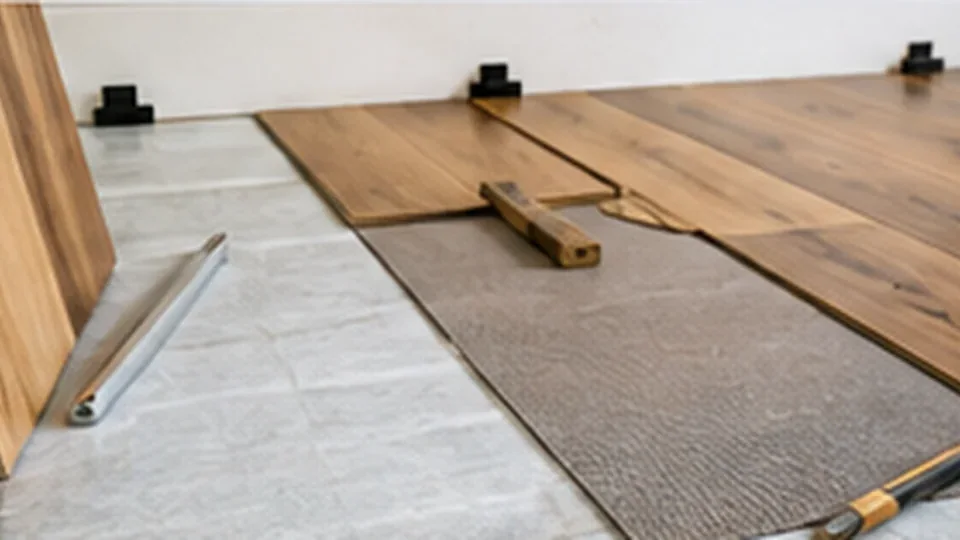
Compare laminate and luxury vinyl using moisture exposure, substrate condition, sound, sunlight, repair access and installation constraints.
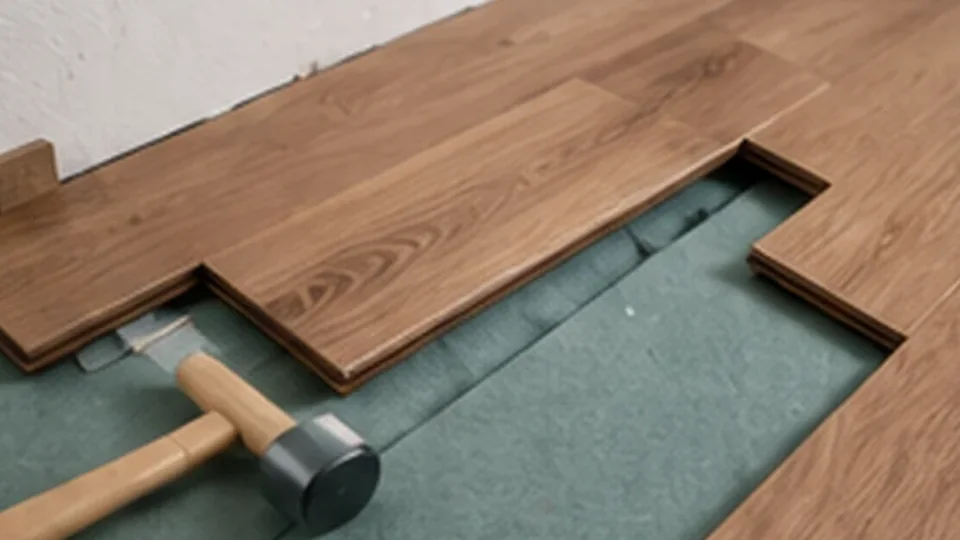
Different movement patterns point to different causes. Use location, timing and moisture clues before forcing joints closed or replacing planks.
Interior painting guidance focused on measurable wall area, preparation, primer decisions, coating sequence, sheen and troubleshooting common finish defects.

A worked bedroom painting plan that calculates wall area, separates prep from coating, and shows how drying time changes a weekend schedule.
A decision-first surface-preparation checklist for deciding what to clean, repair, sand, prime, test or investigate before interior painting.

Learn what three common paint defects look like, why they happen, and what to check before assuming another coat will solve everything.

Choose primer based on bare substrate, repairs, stains, adhesion and color transition instead of treating it as a compulsory extra coat.

Choose sheen by cleaning demand, surface quality, light and touch frequency rather than using one finish throughout the entire home.
Homeowner tool guidance organized around capability, materials, access and long-term cost. We avoid ranking products we have not genuinely tested.

A capability-based tool list for measuring, fastening, small repairs and painting, with a buy/borrow/rent matrix that avoids duplicate purchases.
Compare purchase cost, rental days, accessories, storage, repeat use, setup risk and availability before deciding how to obtain a tool for a home project.

Compare drill size, chuck, battery capacity, ecosystem and replacement cost instead of choosing on torque marketing alone.

Choose a drill bit by material, hole purpose and fastener size, with a practical pre-drilling checklist and common mismatch warnings.
Repeatable home-maintenance checks for moisture, movement, joints, doors and floors. The emphasis is noticing change early and diagnosing before replacing finishes.
Use a simple observation log to distinguish one-time spills, condensation, plumbing leaks and weather-related moisture patterns before cosmetic repairs hide the evidence.
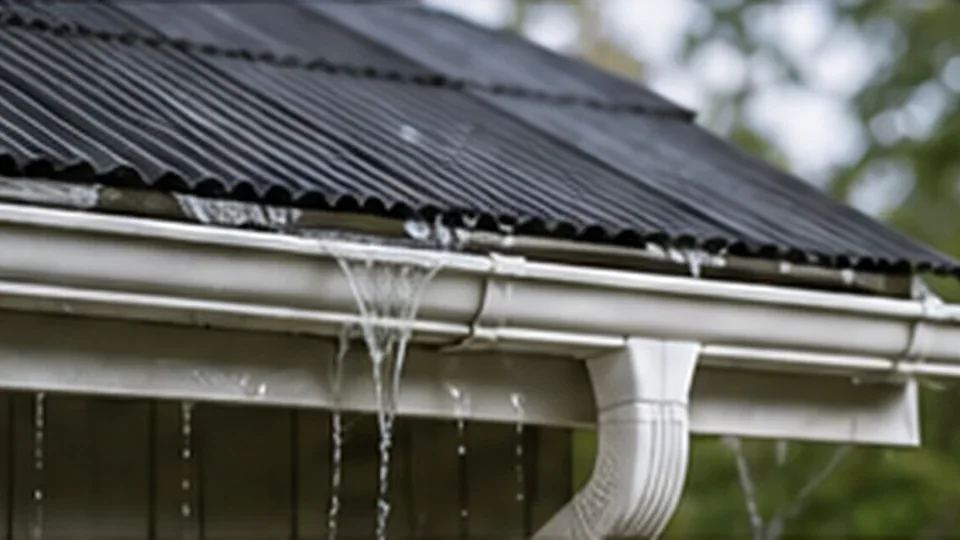
A repeatable room-by-room inspection for leaks, condensation and drainage clues, with a log that helps separate one-off marks from changing problems.

Use the location and timing of a sticking door to distinguish loose hinges, seasonal swelling, frame movement and finish buildup before removing material.
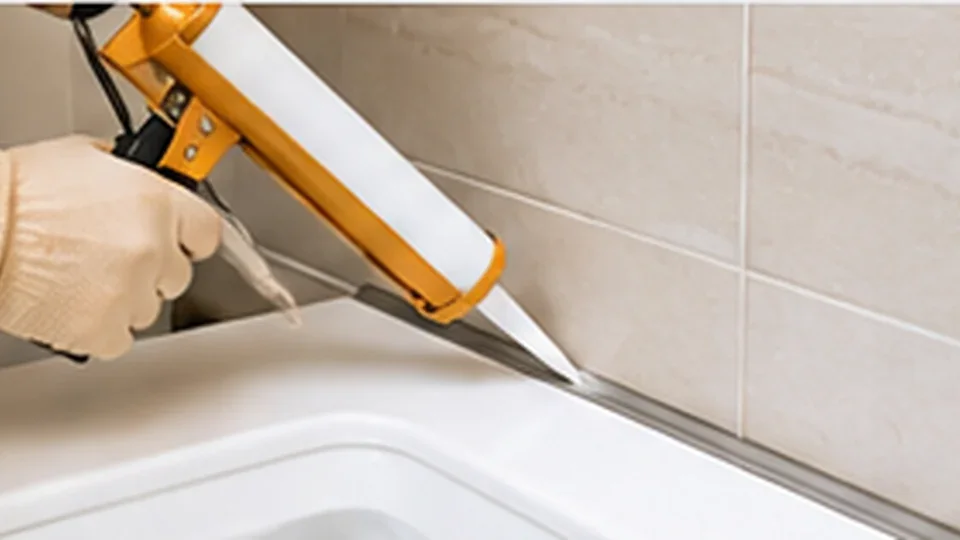
Use movement and substrate clues to decide whether a joint needs a rigid filler or a flexible sealant—and avoid sealing over an unresolved leak.
Create a squeak map and use movement patterns to narrow the likely interface before opening a ceiling or removing finished flooring.

Use seasonal triggers instead of arbitrary dates to schedule moisture checks, filters, seals, drainage observations and small repairs.