Maintenance
Home Moisture Log: Track Leaks, Condensation and Seasonal Patterns
Use a simple observation log to distinguish one-time spills, condensation, plumbing leaks and weather-related moisture patterns before cosmetic repairs hide the evidence.
Repeatable home-maintenance checks for moisture, movement, joints, doors and floors. The emphasis is noticing change early and diagnosing before replacing finishes.
6 published guides in this topic.
Maintenance pages are built around repeatable observations: where moisture appears, when a door rubs, how a joint moves or where a floor squeaks. The aim is to collect enough evidence to choose the next action without guessing.
Record recurring moisture by time, location and trigger.
Distinguish one-time symptoms from patterns that are progressing.
Check moving joints, doors and floors before sanding, filling or sealing them.
Use a repeatable calendar so small changes are easier to notice.
Describe the symptom, photograph or measure it consistently, note what changed, and set escalation conditions. Cosmetic repair belongs after the cause is understood or appropriately addressed.
Use a simple observation log to distinguish one-time spills, condensation, plumbing leaks and weather-related moisture patterns before cosmetic repairs hide the evidence.
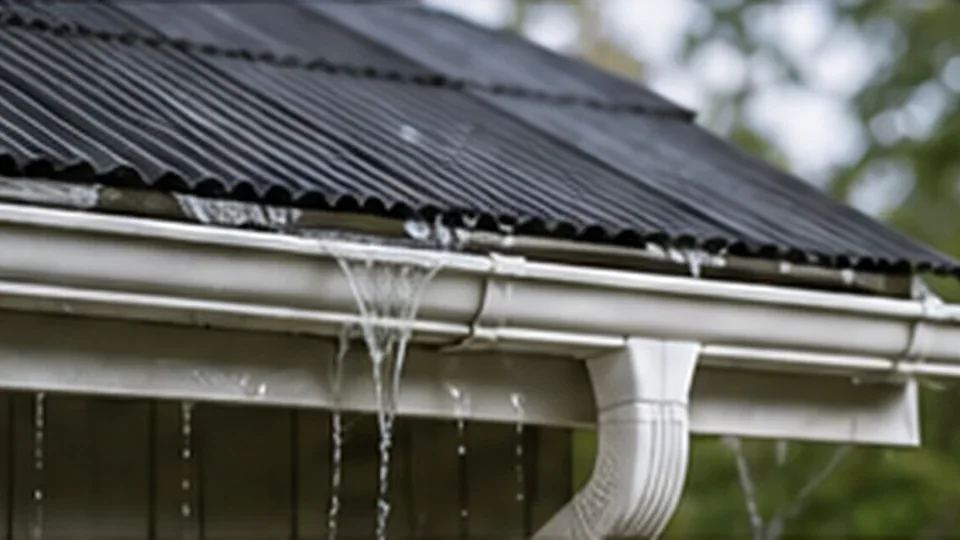
A repeatable room-by-room inspection for leaks, condensation and drainage clues, with a log that helps separate one-off marks from changing problems.
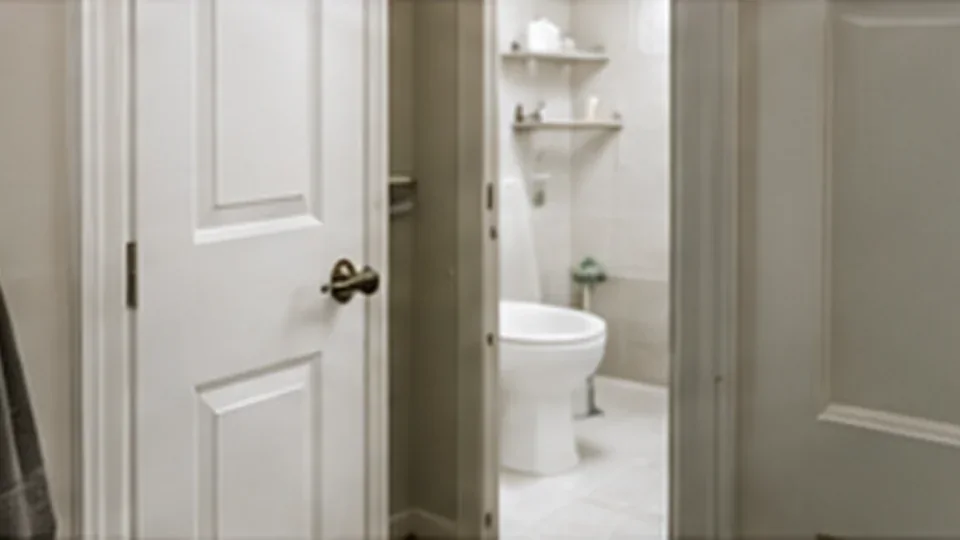
Use the location and timing of a sticking door to distinguish loose hinges, seasonal swelling, frame movement and finish buildup before removing material.
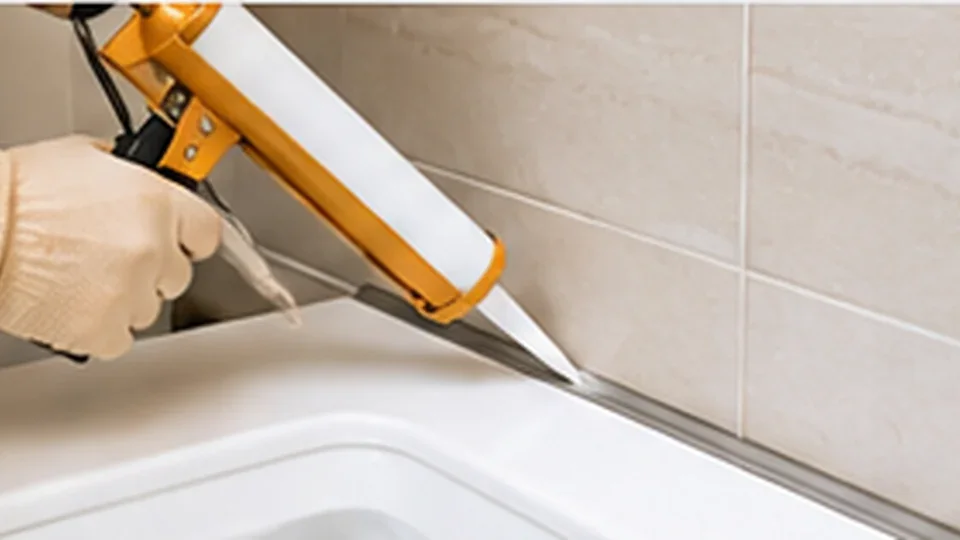
Use movement and substrate clues to decide whether a joint needs a rigid filler or a flexible sealant—and avoid sealing over an unresolved leak.

Use seasonal triggers instead of arbitrary dates to schedule moisture checks, filters, seals, drainage observations and small repairs.
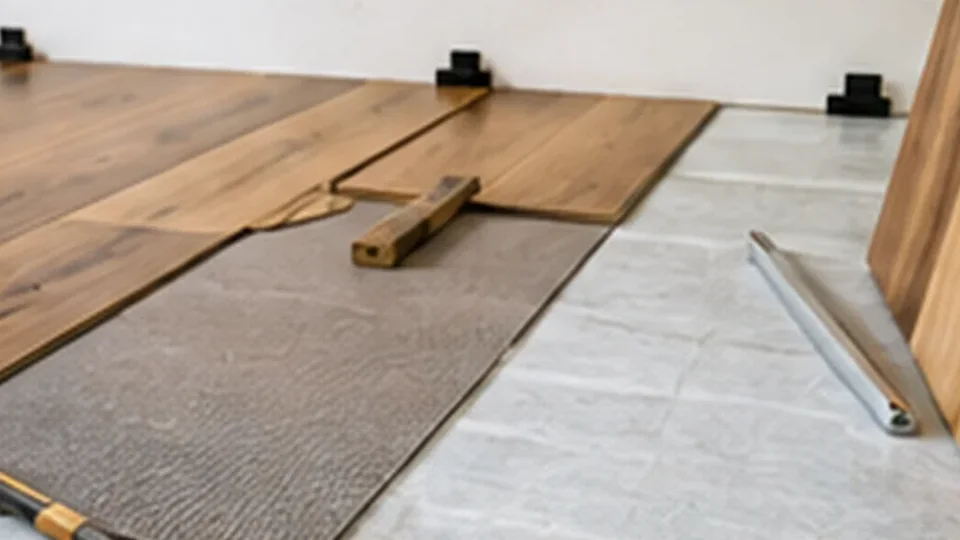
Create a squeak map and use movement patterns to narrow the likely interface before opening a ceiling or removing finished flooring.