Project Planning
DIY Project Scope Worksheet: Define the Job Before You Buy Materials
A practical scope worksheet for defining the finish condition, exclusions, measurements, dependencies, risks and stop conditions before a home project begins.
Project-planning playbooks built around scope, measurements, quantities, sequence, budget and stop conditions. Each guide is designed to produce a usable project sheet rather than a generic list of tips.
5 published guides in this topic.
This library is for the stage before materials are opened or finishes are removed. The goal is to turn a vague project into a measured scope with visible assumptions, dependencies and stop conditions.
Define what “finished” means and what is outside the job.
Turn room dimensions into quantities you can audit.
Separate confirmed purchases from items triggered by hidden conditions.
Build waiting time, cleanup and contingency into the sequence.
Start with the scope worksheet, then measure, then calculate quantity and budget. If a hidden condition changes the job, revise the scope before treating contingency as permission to keep spending.
A practical scope worksheet for defining the finish condition, exclusions, measurements, dependencies, risks and stop conditions before a home project begins.
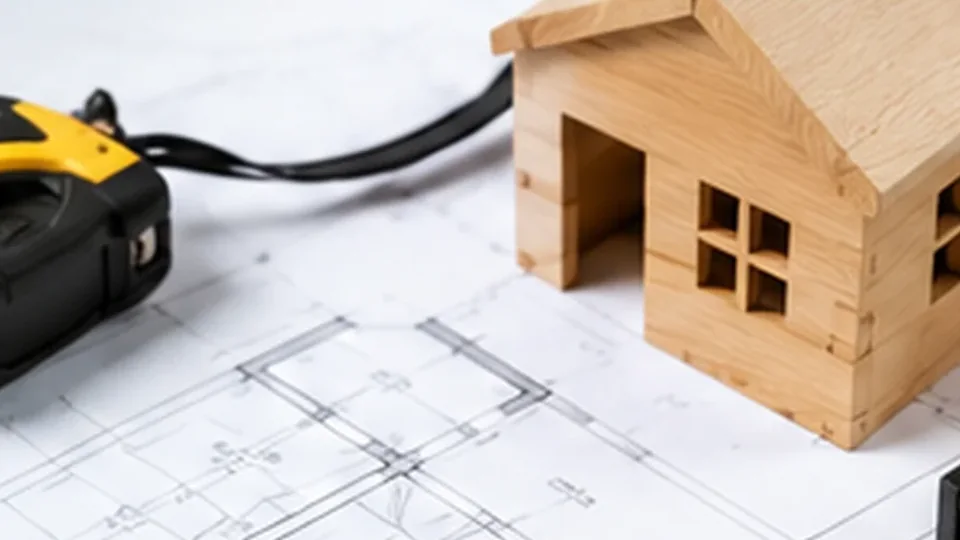
Create one reusable room sketch and calculate floor area, paintable wall area and trim length without mixing units or double-counting openings.
Use a scope sheet, sequence map and contingency budget to turn a vague weekend project into a plan you can actually finish.

Rank repairs by consequence, rate of change and dependency so cosmetic jobs do not crowd out problems that can become expensive.

Build a project budget from quantities and unit prices, then separate reusable tools and contingency so the estimate stays useful.