Start with capabilities, not brand names
List the actions that appear repeatedly in normal home maintenance: accurate measuring, marking, checking level, driving common fasteners, tightening nuts or fittings, cutting lightweight materials, gripping, gentle prying, painting preparation and cleanup. A compact kit that handles those actions well is more useful than a large assortment built from sale bundles.
Specialized jobs should trigger a separate decision. If a project needs a large demolition tool, specialist saw, floor sander or access equipment, compare rental and professional service before automatically adding it to your permanent collection.
A practical core kit
| Capability | Typical tool | Why it earns a permanent place |
|---|---|---|
| Measure | Tape measure + small ruler | Nearly every repair starts with dimensions |
| Mark | Pencil/marker suited to material | Reduces guesswork before cutting or drilling |
| Check level/alignment | Compact spirit level | Useful for shelves, pictures, appliances and trim |
| Drive/remove screws | Quality manual driver set | More control than a power tool for small hardware |
| Grip/turn | Combination/slip-joint pliers and adjustable wrench | Common hardware and light maintenance |
| Tap/seat | Claw hammer + non-marring option where needed | Basic fastening and gentle adjustment |
| Inspect | Bright flashlight/headlamp | Hidden conditions are easier to understand with good light |
| Protect | Task-appropriate eye/hearing/dust protection | Needed before the project, not after a problem |
Check what you own against three small jobs
Before buying a kit, take inventory using tasks you actually expect to do. This example covers measuring a room, tightening ordinary furniture hardware and planning a repaint. It is not a kit for electrical work, plumbing alterations or structural repairs.
| Job | Check in your kit | What to verify before buying |
|---|---|---|
| Measure a room | Tape measure, pencil, paper | Readable markings, usable hook and enough reach for the room |
| Tighten furniture hardware | Manual screwdriver or matching hex key | Exact head type and size; whether the fastener or surrounding material is damaged |
| Plan a repaint | Light, measuring tools and protection supplies | Surface condition and product instructions before buying abrasives or primer |
For each item, mark have / replace / borrow / buy for this job. Add a storage location beside items you already own. A missing size may call for one correctly fitting tool rather than a large replacement set.
Once a job needs a specialist tool, use the buy-versus-rent cost comparison. Keep the everyday kit list short and make that larger purchase a separate decision.
Buy tools that are used often and easy to store
A tool earns a purchase when you expect repeated use, storage is simple, maintenance is manageable and the quality difference improves control or reliability. Tape measures, screwdrivers and a good light fit that pattern for many households. These are also tools you may need unexpectedly, so waiting for a rental shop is inconvenient.
Do not confuse “cheap enough to own” with “worth owning.” Low-cost duplicate tools can fill drawers without adding capability. If you already have a driver that covers the fastener sizes you use, another 40-piece bit set may not change what you can actually accomplish.
Borrow tools that are simple, low-wear and needed briefly
Borrowing can make sense for uncomplicated tools that are easy to inspect and return. Agree on condition and accessories first. Do not borrow safety-critical equipment you cannot confidently inspect, and do not lend or use a damaged tool simply because it is free.
Rent tools when capacity matters more than ownership
Rental is attractive for expensive equipment used once or twice, especially when the rental provider includes maintenance or lets you choose the right size for the job. Add travel, delivery, deposit, consumables and realistic rental duration to the price comparison. A “one-day” job can become a two-day rental when setup, drying or troubleshooting interrupts the schedule.
Example: buy or rent a specialty floor tool?
If the tool costs 450 to buy and 55 per day to rent, the simple break-even looks like a little over eight rental days. But include storage, maintenance, accessories and resale value. If you need it for one weekend and have no second project planned, rental may be clearly better even before those extra costs are counted.
Add power tools only when the manual tool is the bottleneck
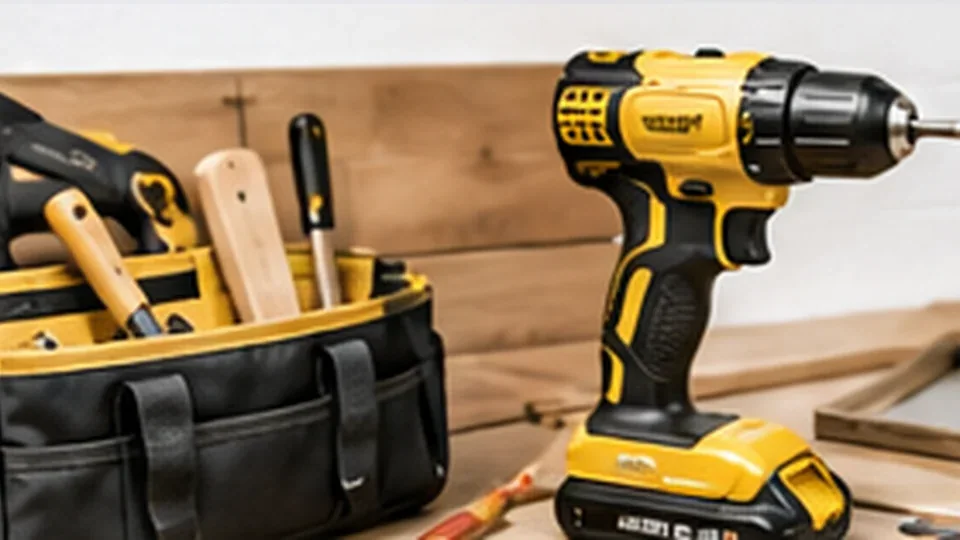
A cordless drill/driver is often the first power tool because it speeds repetitive fastening and drilling while remaining versatile. But it should not replace the ability to start a screw by hand, feel resistance or choose the correct bit. Power makes mistakes faster too.
For saws and high-energy tools, the need becomes more project-specific. Buy only after you know which material, cut type, capacity, dust control and guard system your work requires. The fact that a tool is common in videos does not mean it belongs in every home.
Choose storage before expanding the kit
A tool that cannot be found is functionally missing. Group measuring/marking tools, drivers/bits, gripping tools and painting/repair supplies. Keep sharp edges protected, batteries stored according to manufacturer guidance and chemicals separate from ordinary hand tools. A simple inventory note can prevent duplicate purchases.
Use a pre-purchase test
- Which exact task will this tool perform?
- Do I already own something that performs it safely?
- How many times will I use it in the next two years?
- Can I borrow or rent a better tool instead?
- What accessories/consumables does it require?
- Where will it be stored?
- Can I inspect and maintain it?
- Does the project require training or professional help beyond simply owning the tool?
Frequently asked questions
Should I buy a giant all-in-one kit?
Only if the contents match your needs and the quality is adequate. Many kits increase piece count with duplicate bits and small accessories while omitting the tools you will actually use most.
What should be my first power tool?
For many homeowners, a drill/driver is versatile, but your first purchase should follow your real project list. If you rarely drill or drive screws, another tool may provide more value.
Is expensive always safer?
No. Appropriate design, condition, correct use and task fit matter more than price alone. Avoid damaged tools and follow manufacturer instructions regardless of cost.